Today is World Kindness Day, and I was very honoured to be asked to contribute to the youth tent. Here is a transcript of what I shared, ably read by my friend Alaric and made into a short film (below).
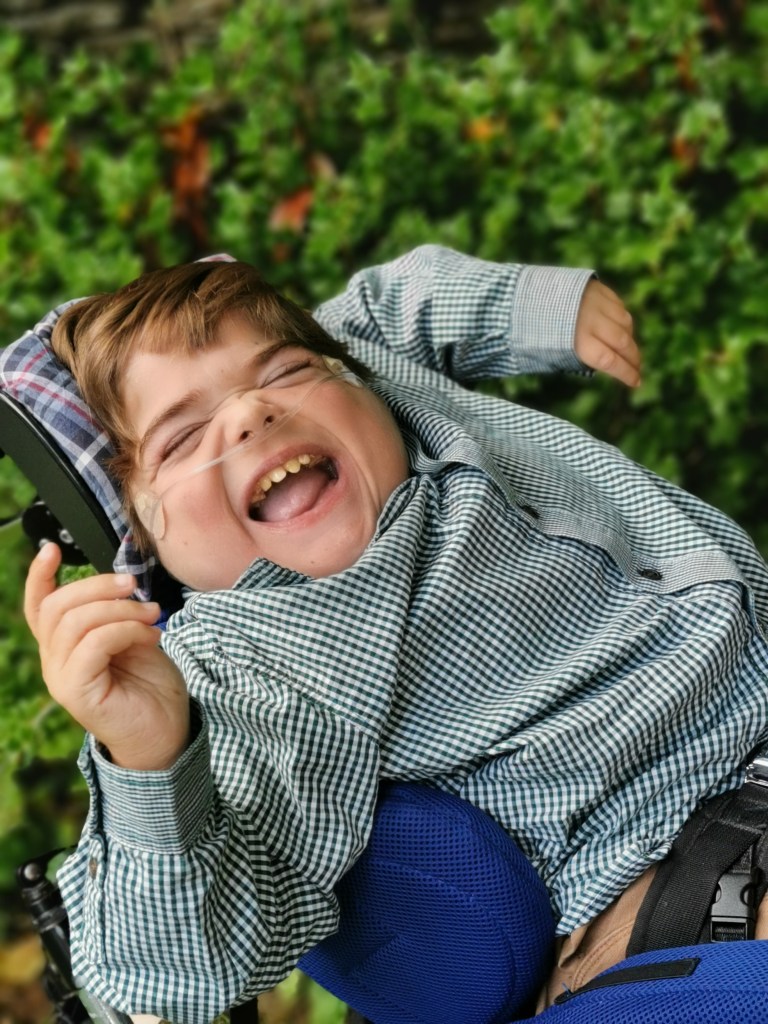
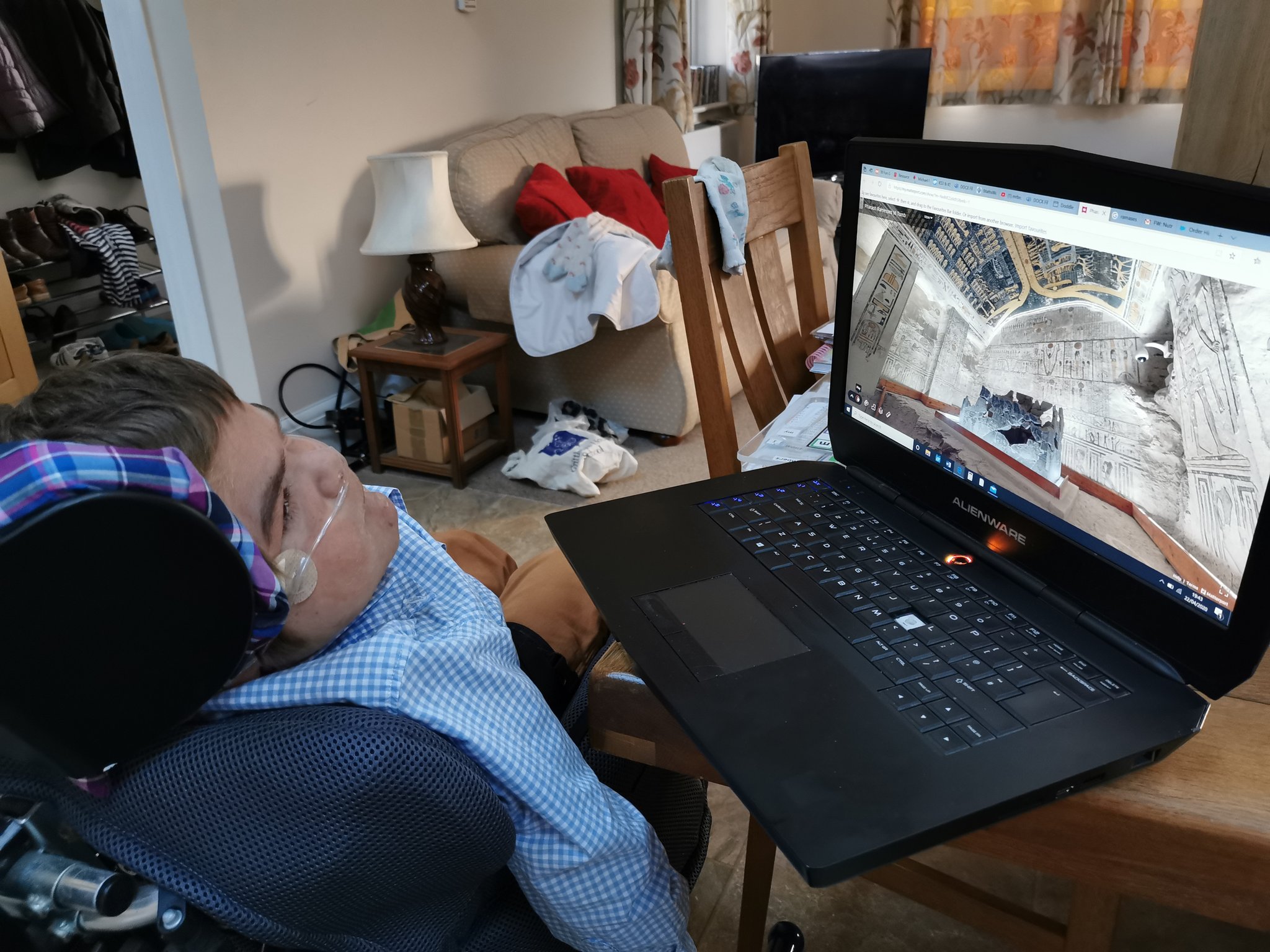
What do you want me to do for you? As a non-verbal child in a wheelchair this is a question that changed my life. At special school I was surrounded by well-meaning people providing me with what they perceived to be a ‘kind’ experience, a sensory curriculum where a repetitive toddler book was read to me with a show of the pictures. Kindness dictated that I would enjoy lots of different things to touch and smell and see and hear, all delivered in a sing song voice with a smile. I was five, I was six, I was seven. But love starts from a place of empathy. Love doesn’t decide what I need, it asks: what can I do for you? Love puts others first; it is inconvenient and hard work, but in the end the rewards are so much greater. When I was seven I was taken out of my special school for a couple of hours a day by my mother to be taught to read and write. It was hard work for us both, but it gave me the greatest gift: to be able to spell exactly what I want to say using an alphabet board with my eyes. Rather than guessing what is kind, I can now communicate and make choices for myself. Kindness is no longer to me, but for and with me.
Now I campaign for all children to be taught to read and write regardless of their educational label, through my charity Teach Us Too. I long for schools to see beyond kindness bestowed on their profoundly disabled students, to an education which stops making assumptions of academic inability based on appearances. Where potential is unlocked and voices are heard.
As a follower of Jesus, I am inspired by the time a blind man came up to him, and instead of performing the obvious kindness, to heal the man, Jesus asked him: “what do you want me to do for you?” And now I have my voice I can ask that same question to those around me.








 Eye Can Talk